Acts For Better World - Nos engagements
Affordable fashion, but not at any cost.
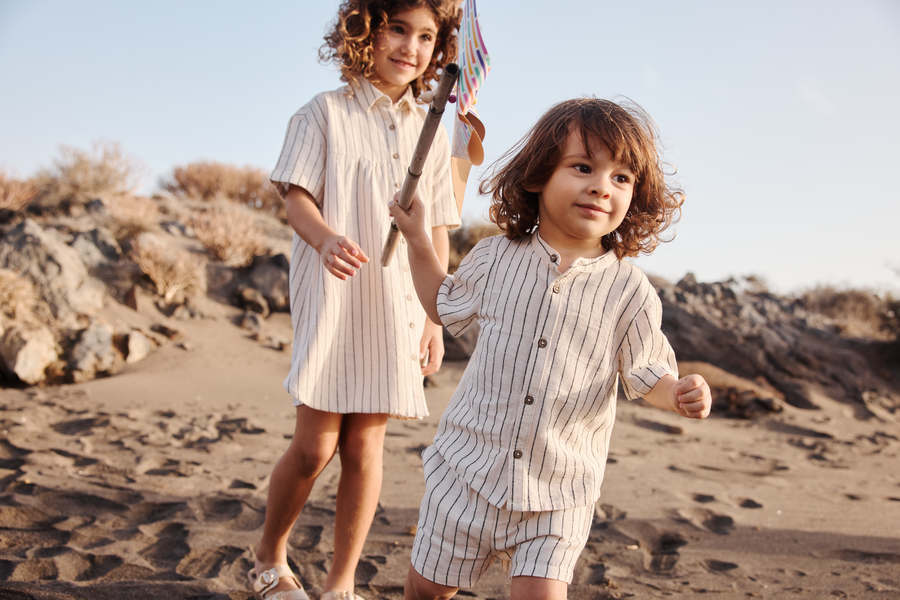
Kiabi was born in 1978 with the idea, a bit crazy at the time, of offering truly accessible fashion: all styles, all body types, all budgets… After almost 50 years, nothing has changed: we continue to defend fashion at low prices.
Guaranteeing low prices, yes, while maintaining quality and taking into account our impact on the planet and the men and women we work with.
Our ambition is to always do more for families, by also supporting them towards new lifestyles and new ways of consuming or considering their relationship with fashion.
It is a balance that is sometimes difficult to find, but we work on it every day!
Our approach
To make it happen, we must rethink how we make and distribute our clothes. Not everything is perfect today, but we’re striving to improve. KIABI ACTS FOR A BETTER WORLD is our initiative to share how all our teams are making progress.
Manufacturing
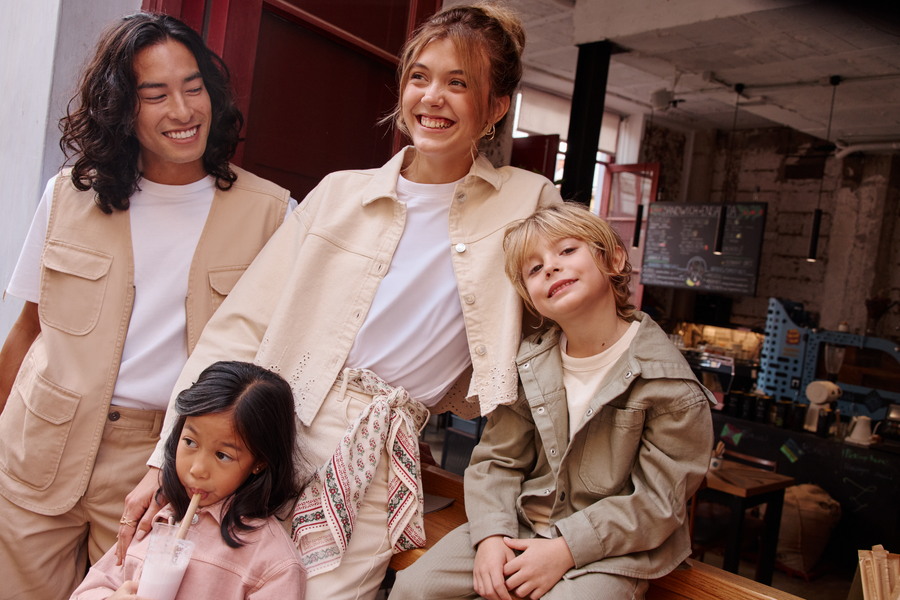
We aim to improve how our products are made and reduce their environmental impact. We act where our impact is greatest: in the choice of raw materials and in the manufacturing phase. How? By carefully selecting recycled or organic fibers when possible, and developing dye-free collections, for example, to reduce water use and pollution. We also encourage our suppliers to use renewable energy in their factories.
One product, multiple lives
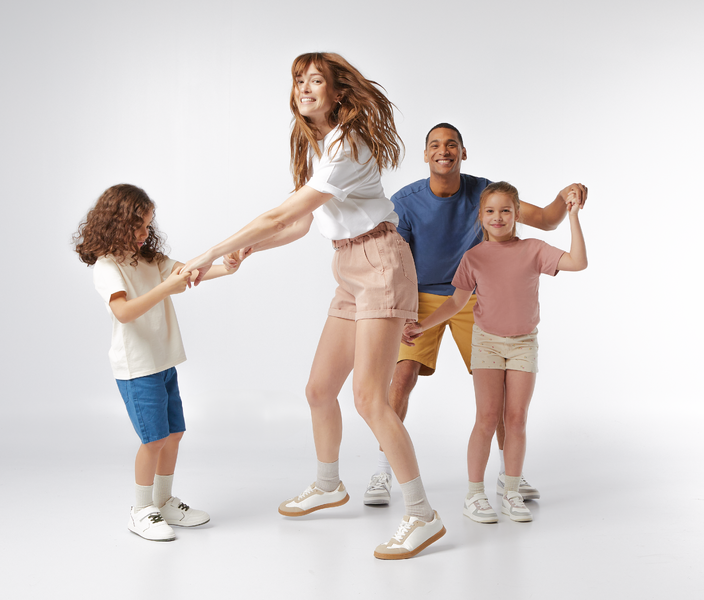
We think about longevity right from the design phase — using techniques like Tough Cotton™ technology, a surface treatment that makes cotton fibers more durable. We also design collections with timeless cuts and colors you can wear season after season, and smart features like adjustable sleeves and pant legs that grow with your kids.With Beebs by Kiabi, you can give your wardrobe a second life — or find great second-hand gems.
Collaboration is key
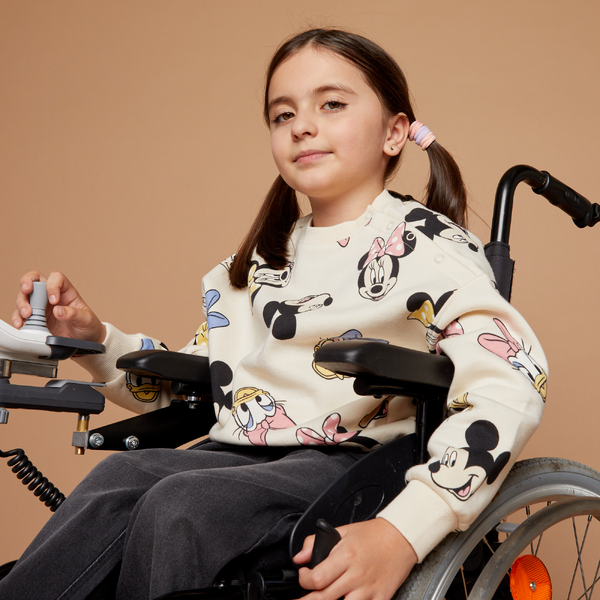
We believe in building long-term relationships with our partners, teams, customers, and families — listening to their needs to co-create collections and actions. For example, our “So Easy” collection, designed to be easy to put on, was developed with those who need it most.
Living together
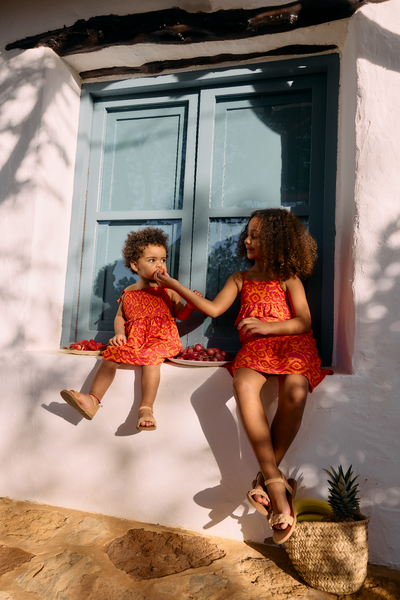
We support families through all life’s moments — with inclusive collections adapted to plus sizes, pregnancy, and specific disabilities or temporary loss of autonomy.Our Petit Magasin concept also helps people return to work and offers brand-new clothing to families in need.Living better together also means empowering young people through initiatives backed by the Kiabi Foundation.
Improving stitch by stitch
Our approach is about innovating, testing, learning from our mistakes — with one goal: doing better every season.All our expertise and the passion of our teams are focused on these ambitions.
-4.3%
In 2024, we reduced Kiabi's CO2 emissions by -4.3% (vs. 2022).*
87%
In 2024, 87% of our products were made from lower-impact materials**, such as recycled polyester or organic cotton.
69%
In 2024, 69% of our partners'*** factories were audited and rated at the highest level of social compliance.
* Tiers 1, 2 and 3 partners.
** Low-impact fibers used by Kiabi include: organic cotton, Better Cotton Initiative (BCI) cotton, US Protocol cotton, recycled polyester, recycled cotton, cotton from farms transitioning to organic, TENCEL™ Modal, TENCEL™ Lyocell, LENZING™ ECOVERO™, and other low-impact fibers (linen, hemp, recycled acrylic, recycled polyamide, etc.).
*** Tiers 1 and 2 partners.
We don't leave questions unanswered
Our clothes are made by partners in several countries, mainly in Asia and the Middle East, where we look for recognized skills and expertise. We work, for example, with Indian partners known for high-quality cotton knitwear and creativity, or Chinese suppliers who specialize in warm garments and knitwear. Some of our items are also made in Turkey for greater flexibility.
All textile production has an environmental impact, but some materials reduce that impact. These include organic natural fibers like organic cotton, linen, and hemp; recycled fibers (recycled polyester and cotton); and innovative alternatives such as TENCEL™ Modal or TENCEL™ Lyocell.To ensure quality and traceability, we rely on certifications:GOTS (Global Organic Textile Standard) and OCS (Organic Content Standard) to limit pesticide and water use;GRS (Global Recycled Standard) and RCS (Recycled Claim Standard) to promote a circular economy.
To ensure maximum safety from chemical risks, Kiabi relies on the OEKO-TEX® STANDARD 100 certification.In 2024, 68% of our total product range was certified, including over 88% of our baby range — and over 99% of baby underwear.
Acting together
To make collective progress in the fashion and textile industry, we work with many partners, NGOs, and supply chain stakeholders.